Rewriting Life: The Story Behind CRISPR’s Journey to Real Medicine
Posted 8 months ago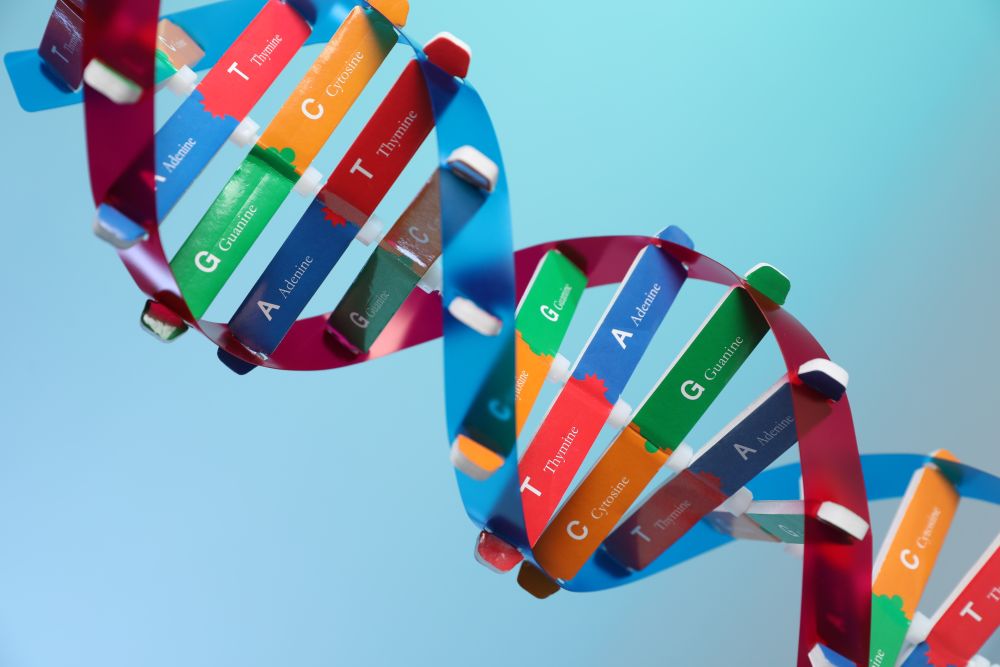
10/2026
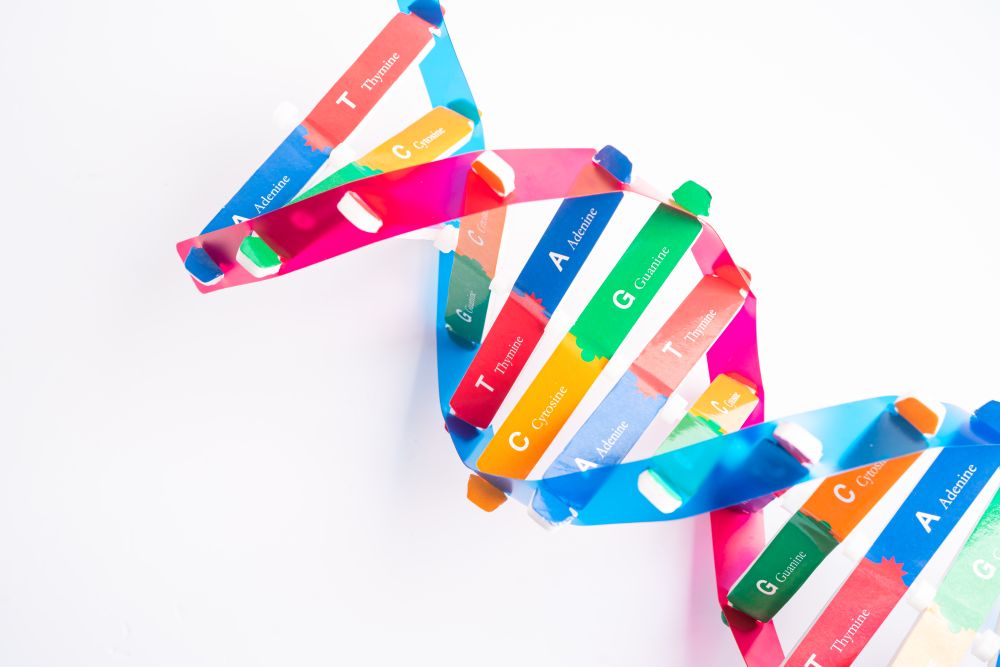
Imagine a technology so precise it can access our genetic code (doxyribonucleic acid) and correct mistakes causing devastating diseases, highlighting Clustered Regularly Interspaced Short Palindromic Repeats (CRISPR's) transformative potential.
Scientists and doctors hoped these tools would soon become everyday medicine: treatments that ordinary people could rely on. However, turning brilliant science into widely available drugs that any doctor could prescribe proved more difficult than anyone anticipated. Progress was genuine, but slow and fragmented.
💰 A $1 Billion Bet to Bridge the Gap
The pioneers of CRISPR include Nobel laureate Jennifer Doudna, whose work is now supporting a $1 billion initiative to turn gene editing into accessible medicine.
But why is this so important? Here’s where the story becomes deeply personal.
Near the Forefront of this scientific revolution, baby KJ Muldoon was fighting for his life, illustrating how gene editing can directly impact individuals with rare conditions.
Not far from where this scientific revolution was happening, a baby named KJ Muldoon was fighting for his life. Born in August 2024, KJ faced a rare and deadly condition called carbamoyl phosphate synthetase 1 (CPS1) deficiency, a genetic glitch that prevented his tiny body from processing waste products from food. Without the enzyme his liver needed, toxic ammonia built up in his blood. For babies like KJ, the options were grim: strict diets or risky liver transplants later in life.
Doctors at the Children’s Hospital of Philadelphia and researchers at several top institutions refused to accept that option. They knew that gene editing had the potential to fix the underlying problem and not just in theory. They decided to try it for him.
Over an impressive six-month period, scientists developed a custom CRISPR-based therapy specifically for KJ, tailored to his unique genetic mutation. This wasn’t a generic lab experiment: it was a treatment made solely for one child, then fast-tracked through special compassionate-use pathways because his life was at risk.
In February 2025, when he was just about six months old, KJ received the first of three doses of this personalized gene-editing treatment. And something extraordinary happened: his body began to function as it was supposed to. Follow-up reports described how he tolerated more protein, grew stronger, and avoided the relentless hospital cycle that had threatened him.
For families and doctors watching, it wasn’t just science; it was hope made real. The dedication and perseverance of scientists and medical teams turned a risky experiment into a life-changing treatment, showing the power of human determination.
🧬 What KJ’s Story Tells Us About the Future
KJ Muldoon’s case was a world first: the first known person to receive a bespoke CRISPR therapy designed for just one individual. It proved that gene editing could be more than a research breakthrough; it could meaningfully change a life.
But here’s the challenge: the therapy that saved KJ isn’t yet a treatment available to everyone. It was designed specifically for him, and there’s no promise that the same approach will work for another patient with a different mutation. This is exactly the challenge the new billion-dollar initiative aims to address, expanding these personalized breakthroughs into treatments that could help thousands, tens of thousands, or even millions. This progress can inspire hope for many families facing similar struggles.
So this story isn’t just about technology. It’s also about human perseverance — scientists racing against time for a fragile baby, and visionary leaders investing heavily to turn rare medical miracles into everyday possibilities.
🌍 Why It Matters
Gene editing today sits at a crossroads: a triumph of human curiosity, and a challenge of real-world application. The story of KJ Muldoon shows us what’s possible when brilliant minds work together, and the $1 billion plan represents a bet that this power shouldn’t be locked in labs. Instead, it should become medicine that heals, transforms, and saves lives. Supporting this investment can help turn these breakthroughs into accessible treatments for all.
And that’s a future worth investing in.
Disclaimer:
The contents provided on www.biomedglobal.org are intended for general informational and educational purposes only. This website's information, articles, and resources are based on data and findings from scientific publications, publicly available research, and reputable sources.
While every effort is made to ensure accuracy and reliability, Biomed Global does not guarantee, endorse, or assume responsibility for the completeness, timeliness, or validity of the information.
The material on this website should not be considered a substitute for professional advice, diagnosis, or treatment. Users are strongly encouraged to consult qualified healthcare professionals, researchers, or subject-matter experts before making decisions based on the information presented here.
Under no circumstances shall Biomed Global, its affiliates, contributors, or authors be held liable for any direct, indirect, incidental, or consequential damages arising from the use of, or reliance on, the content of this website.
By accessing and using www.biomedglobal.org, you fully acknowledge and agree to this disclaimer.