Your Brain May Still Be Working While You’re Unconscious
Posted 5 months ago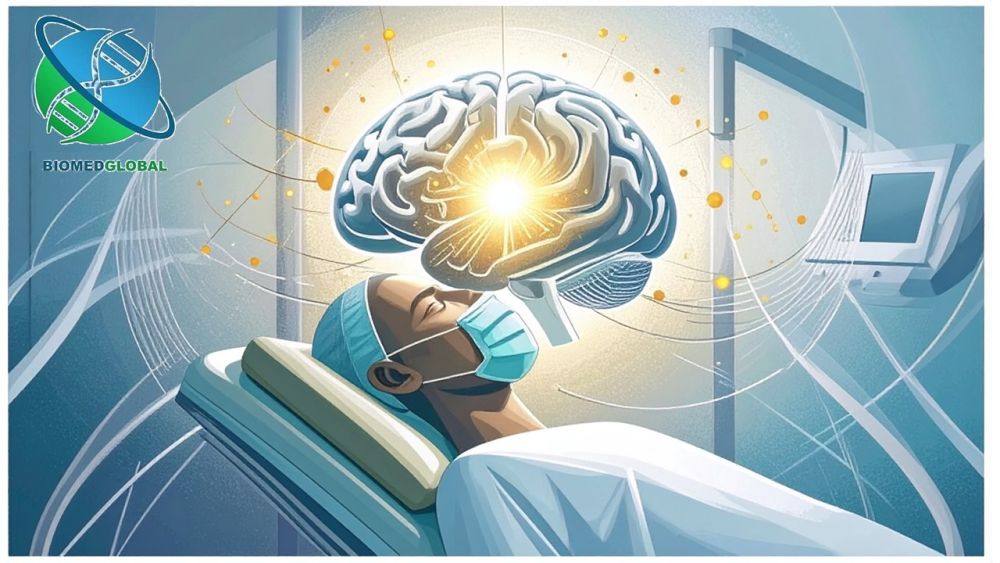
25/2026
There is something both strange and beautiful about the idea that the human brain may continue to listen even when a person is unconscious.
A new study published in Nature suggests that people under general anesthesia are not as mentally “offline” as once believed. Even while unconscious, parts of the brain continue to process language, understand meaning, and predict what words might come next.
For decades, anesthesia has been treated as a temporary shutdown switch, a medically induced darkness in which awareness, memory, and cognition disappear. Surgeons relied on it. Patients trusted it. Society accepted it as settled science.
But the human brain has amazed us once again.
Researchers studying patients under anesthesia found that the hippocampus, the brain region closely tied to memory and learning, remained surprisingly active. It was not merely a passive microphone that heard sounds. It was analyzing speech patterns and anticipating language in ways previously thought possible only in conscious minds.
In simple terms, the unconscious brain may still be thinking.
Not consciously. Not emotionally. Not in the vivid way we experience the world while awake.
Far from the rich awareness we experience while awake, the brain still quietly continues to process and make sense of the world around it beneath the surface of consciousness.
This finding matters far beyond the operating room.
For centuries, humanity has drawn a sharp line between consciousness and unconsciousness, between wakefulness and sleep, between awareness and unawareness, between mental life and absence. Science now suggests the boundary is far blurrier. The brain appears less like a light switch and more like a city at night: even when most windows go dark, essential systems continue running underground.
That changes how we think about ourselves.
It also raises uncomfortable ethical and medical questions. What exactly does a patient experience under anesthesia? Do comforting words still matter? Could stressful conversations leave hidden traces? Researchers caution that these findings do not mean patients are secretly awake or in pain. Conscious awareness still appears disrupted under anesthesia.
Yet the study reinforces an old truth that doctors have long practiced instinctively: speak respectfully to patients, even when they seem unconscious.
The implications extend even further into neuroscience, psychology, and philosophy.
If the brain can process language without awareness, consciousness may not be the master controller we imagine. Much of human behavior may unfold beneath the surface before “we” ever become aware of it. Decisions, predictions, emotional responses, and learning may begin in hidden neural corridors long before conscious thought catches up.
In many ways, modern neuroscience is dismantling the ego’s favorite illusion: that the conscious self is fully in charge.
This research also speaks to something profoundly human. Every parent who softly talks to a sleeping child, every loved one who whispers beside a hospital bed, and every doctor who reassures an unconscious patient before surgery may have been acting on an instinct that science is only now beginning to understand.
Perhaps the brain listens longer than we thought.